How I Got Into Tarot and Why I Always Suggest a 3 Card Spread

How I Got Into Tarot and Why I Always Suggest a 3 Card Spread
Tarot has been part of my life for as long as I can remember. When I was little, my family would give each other readings just for fun. I was already obsessed with anything magical, pretending to make potions and cast spells, completely in love with the idea that there was more to the world than what you could see. I grew up in a house where my mom’s openness to spirituality made that kind of wonder feel completely normal. So tarot never felt strange to me. It felt like it belonged in my world.
What I remember most from those early readings is the excitement. Shuffling the cards felt important. Flipping them over felt suspenseful. There was something bold and unapologetically witchy about it that I loved. Even when we were laughing, there was still this quiet curiosity underneath it all.
It was also bonding. Sitting together, asking questions, reacting to what showed up. Sometimes the cards felt surprisingly accurate. Other times, they just opened conversations we might not have had otherwise. Either way, it created space to talk about feelings, choices, and possibilities in a way that felt different from everyday conversation.
Back then, it wasn’t about memorizing meanings or getting every interpretation right. It was about exploration. About letting imagination and instinct exist in the same room.
I didn’t realize it at the time, but those small moments were building something. Tarot started as fun and a little mystical, but it quietly planted the idea that intuition was something worth listening to.
And eventually, that playful curiosity turned into something more personal when I got my own deck.
My First Tarot Deck (and Why It Was an Angel Deck)
I got my first tarot deck when I was a teenager, and it was an angel deck by Doreen Virtue and Radleigh Valentine. I had wanted one for so long that when I finally got it, it felt significant. It marked the beginning of my own practice.
The deck drew me in immediately. The silver lined edges, the soft artwork, and the short descriptions printed on each card made it approachable while still feeling mystical. I was especially drawn to the way the deck centered around archangels like Michael and Raphael. Seeing their names on the cards pulled me in. Having those figures woven into the deck made me want to learn more about who they were and what they represented. The more I learned about their symbolism and roles, the more layered the messages became.
Even early on, I created my own ritual with it. Before shuffling, I would say a small prayer or speak out loud, asking for guidance. I would knock on the deck to clear lingering energy, then lightly blow across the cards before laying them out. I am not even sure where that habit came from, but it became part of how I centered myself.
When reading for myself, I would spread the cards in one long line and hover my hand over them until one stood out. Sometimes I felt tingling in my fingers. Sometimes a slight temperature shift. Sometimes it was just a pull I could not explain. If I were reading for someone else, I would let them shuffle first so their energy was in the deck before I lay out the spread.
One moment that really stayed with me was pulling the same cards in two separate readings. That was when I paused. It felt intentional.
If you’re curious about starting with the same Angel Tarot Cards I began with, you can find them here:
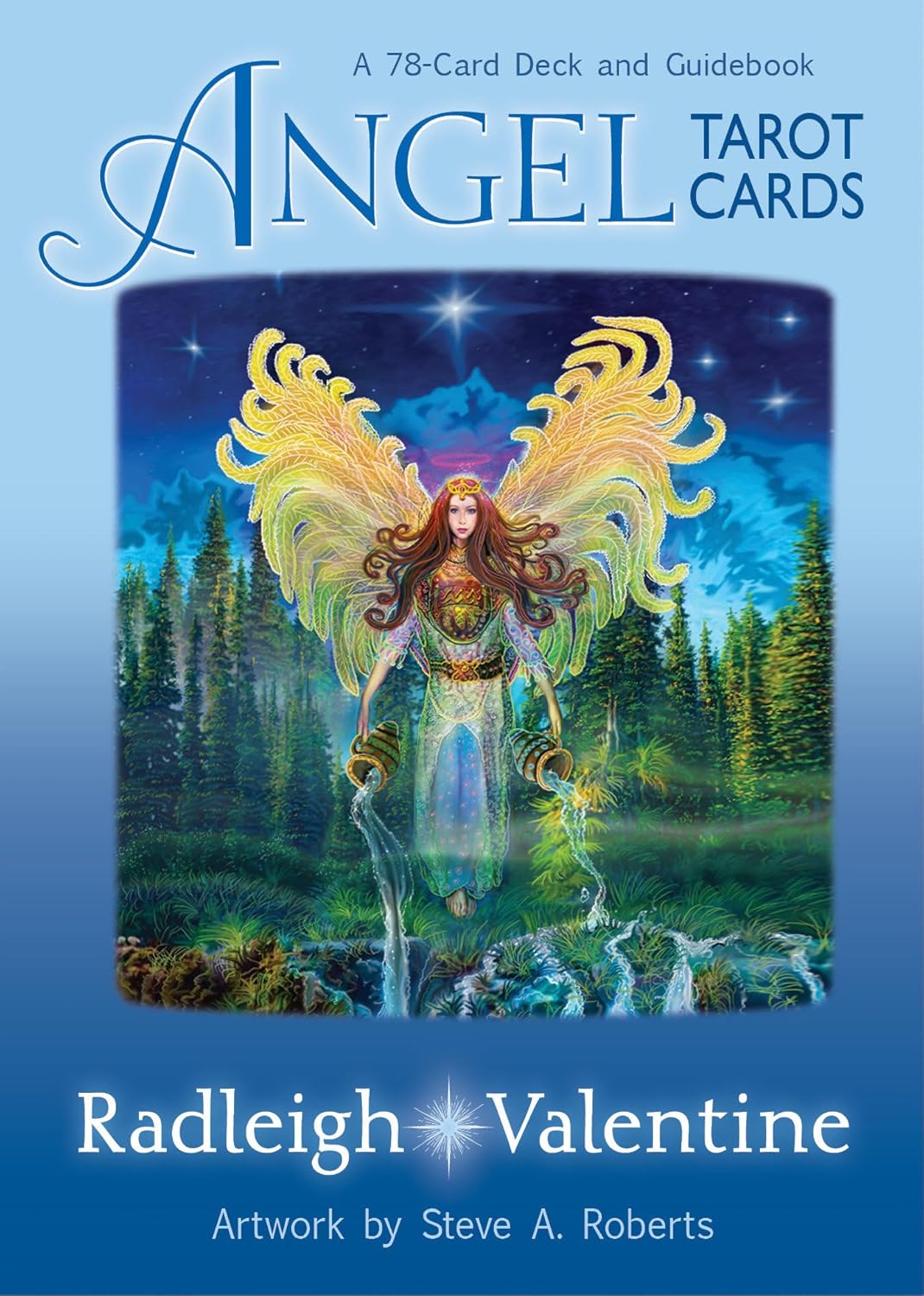
Rich with radiant symbolism and uplifting imagery, the Angel Tarot Cards invite you into a world where divine wisdom meets everyday life. Each card is beautifully illustrated with angels, archangels, unicorns, fairies, mermaids, and other celestial guides, creating a visual experience that feels both magical and deeply comforting. Beyond their beauty, these cards offer gentle yet powerful insight to help you navigate love, career, purpose, and personal growth. Whether you are seeking clarity during a transition or simply looking for reassurance from the universe, the Angel Tarot Cards serve as a supportive companion on your journey, reminding you that you are guided, protected, and never alone.
BUY NOW (AMAZON)Tarot Isn’t Just for the “Super Woo”
A lot of people treat tarot like it only belongs in extremes. Either you are fully immersed in a mystical, incense burning, crystal covered lifestyle, or you have no business touching it at all. There doesn’t seem to be much space in between.
But that has never been how I see it.
You do not need to belong to a specific community. You do not need to adopt a certain identity. You do not need to have your beliefs perfectly defined. You can just like tarot. You can just be curious.
For me, it has never been about proving how spiritual I am. It is a tool. A way to reflect. A way to step outside my own thoughts and see something from a slightly different angle.
Some days it feels deep and emotional. Other days it feels light and simple. Both are valid. That flexibility is what makes it work. Tarot does not demand that you commit to an entire lifestyle. It just asks that you pay attention.
Over the last few years, as tarot has become more visible, I have seen how differently people respond to it. Some are fully in and always have been. Some are newly curious. Others still see it as strange or taboo. And I understand that. Anything that touches the unknown can make people uncomfortable.
When I give readings, what stands out most is how often someone says, “That is exactly what I needed to hear.” That is what matters to me. The healing. The guidance. The feeling of being seen. Even skeptics who have let me read for them are usually surprised by how grounding and positive the experience can be.
Tarot does not require belief. It requires willingness. A willingness to look inward.
Want the Deeper History?
Tarot has a much longer history and a lot more depth than what I’m sharing here. If you’re curious about where tarot comes from and how it’s traditionally been used, my mom wrote a really great post that goes deeper into the history and evolution of tarot.
You can read it here: The Fascinating History of Tarot Card Reading and Interpretation
It’s a good place to go if you want more context without the fluff.
How I Actually Use Tarot Now
How often I read really just depends on what’s going on in my life. There are times I reach for my deck a lot because I need the extra clarity, and other times everything feels steady and I barely think about it. I don’t force it. I use it when it feels helpful.
I usually pull cards during moments of transition. Big life decisions. Times when something feels unclear or I need simple advice. And then there are the lighter moments, when it is just for fun or a quiet check in to see what I might be missing. It never hurts to look at your own blind spots.
When I first started, there was a lot of magical excitement around it. Everything felt mysterious and charged. Over time, that energy shifted. Tarot became less about spectacle and more about steadiness. It turned into a tool I trust rather than something I perform.
I still use guidebooks, but only when I am working with a new deck or if a card feels unclear. Once you know your cards well, you do not need to memorize meanings. You understand how they play out in your own experience.
At this point, tarot is less about getting answers and more about gaining awareness. It helps me pause before reacting. It helps me see patterns I might otherwise ignore. It helps me make decisions with more intention.
Why I Always Tell Friends to Start With a 3 Card Spread
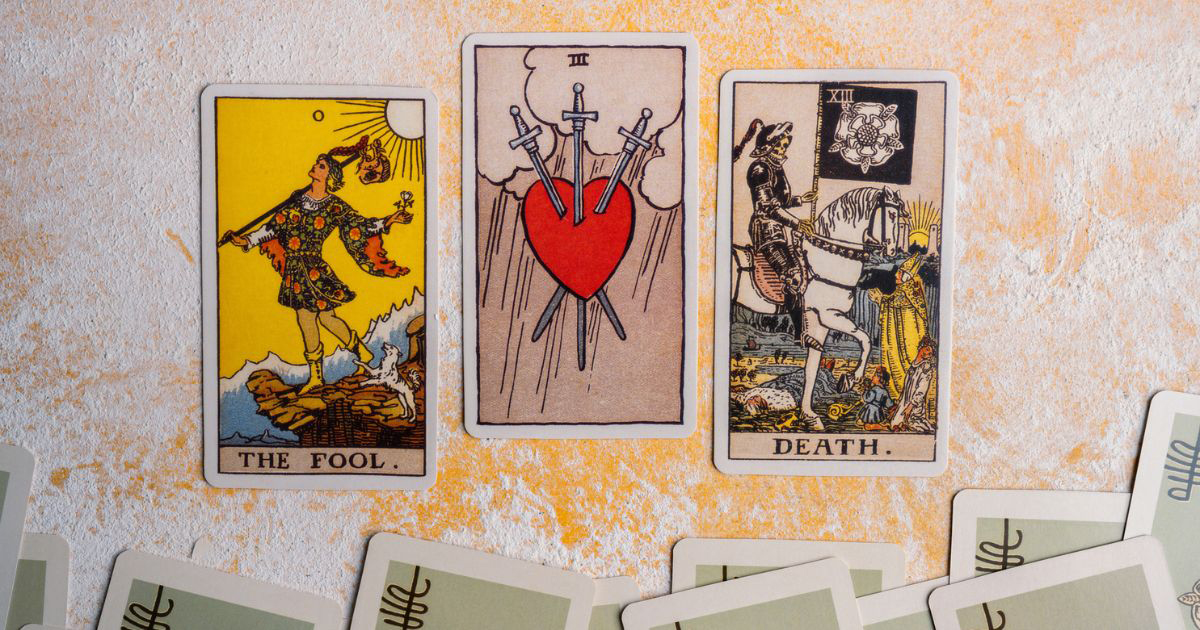
When friends ask me how to start with tarot, I almost always suggest a simple three card spread. Not because it is basic, but because it is balanced. A three card tarot spread gives you structure without overwhelming you. It creates enough depth to be meaningful while still feeling manageable.
For beginners, the biggest struggle is overthinking. It is easy to pull too many cards, hoping for clarity, and end up more confused than when you started. When there are too many messages on the table, it becomes tempting to force connections or search for the “perfect” answer. That is usually when intuition gets drowned out.
Three cards prevent that spiral.
Here are a few simple three card layouts I often suggest:
- Past, Present, Future
A reflective spread that shows how you got here, where you are now, and what direction things are moving. - Situation, Influence, Guidance
A grounded layout that focuses on what is happening, what is affecting it, and what to focus on next. - What is happening, What is affecting it, What deserves your attention
A growth oriented spread that shifts the focus from prediction to awareness.
Different layouts carry different emotional tones. A past, present, future spread feels reflective. Situation and guidance feels solution oriented. A focus based spread feels empowering. The beauty of a three card spread is that you can adjust the framing without increasing the noise.
Pulling more cards rarely creates more clarity. It usually creates more interpretation. More second guessing. More spiraling. Three cards are enough to create a conversation without overwhelming your nervous system.
Tarot should feel like clarity, not chaos.
Common Beginner Mistakes
When I first started reading tarot, I thought more cards meant more clarity. If I did not like the answer, I would pull another card. And then another. Before I knew it, I had so many messages on the table that I could not tell what actually mattered. More cards did not give me more insight. They just gave me more to interpret.
I also had a habit of asking the same question over and over. If I felt uncertain, I would reshuffle and ask again, hoping for something clearer or more reassuring. Looking back, that was not intuition. That was anxiety. Tarot works best when you are willing to sit with the first message instead of trying to negotiate with it.
In the beginning, I overthought everything. I treated each card like a puzzle I had to solve perfectly. I would reread the guidebook, analyze every symbol, and second guess my first impression. Over time, I’ve learned that your first reaction is usually the most honest.
I also expected certainty. I wanted tarot to give me guarantees. Clear outcomes. Final answers. But tarot does not work like that. It offers perspective, not promises. It shows you patterns and possibilities. The rest is still up to you.
Making those mistakes was part of the process. They are what eventually taught me to keep things simple. To ask better questions. And to trust that a small spread can say more than a complicated one ever could.
Try a 3 Card Tarot Reading Online
You don’t even need a physical deck to try this out. We have a free 3 Card Tarot Reader you can use online if you want to explore a spread without overthinking it.
You can try it here:
It’s a simple way to get familiar with how a 3 card spread works and see how the cards speak to you.
Want to Learn More About Tarot Cards?
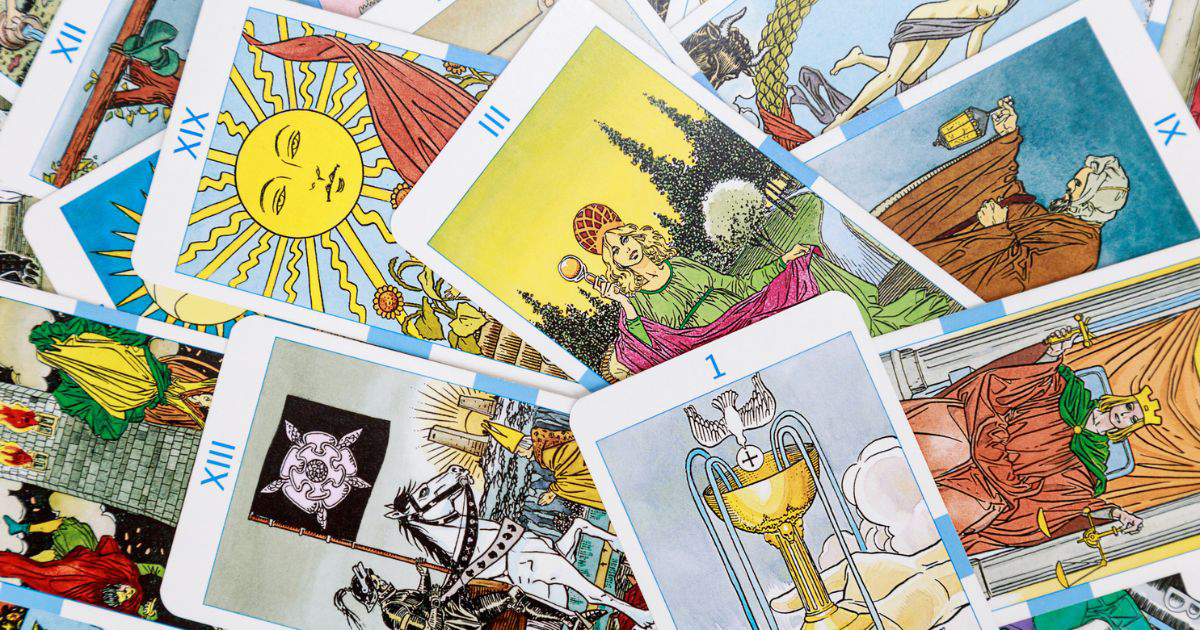
If you find yourself wanting to understand the cards more deeply, we also have a guide that breaks down tarot card meanings and explains how the cards work together in a reading.
You can explore that here: Understanding Tarot Cards
And if you are curious about where tarot actually comes from and how it evolved into the practice we know today, you can read more about the history of tarot card reading here:
There is no rush to learn everything at once. Tarot is something you grow into over time.
Reminder: Anyone Can Do Tarot
Tarot doesn’t have to be serious, perfect, or overly spiritual to be meaningful. For me, it’s always been about curiosity, intuition, and paying attention to what’s already there.
If you’re new to tarot, starting with a simple 3 card spread is an easy, low-pressure way to see if it resonates with you. Take what feels helpful, leave the rest, and let your relationship with tarot develop in its own way.