The Beginner Witch’s Guide to Magic
Affiliate note: This review may contain affiliate links. If you buy through our links, we may earn a small commission at no extra cost to you. Thanks for supporting our creative experiments and community. See our full disclaimer here.
Lately I’ve been deep in audiobook land, and let’s just say my queue has gone full fantasy. From Harry Potter throwbacks to cozy cottage-witch hygge vibes (I plan to write a post next about some of my favorite witchy books), I’ve been loving it. And honestly, it’s sent me down a rabbit hole of thinking about witches, history, and what “magic” even means.
Because here’s the thing: women have always been healers, creators, and intuitive powerhouses. Over the centuries, though, the word witch got twisted, and magic was painted as something dark or dangerous. But what if we reclaim it? What if magic isn’t about flying broomsticks or evil curses, but about intention, ritual, and tapping into the quiet power we already hold?
For some, magic might look like casting a spell or mixing herbs. For others, it’s as simple as lighting a candle, journaling a desire, or speaking affirmations into the mirror before you head out the door. It doesn’t have to be dramatic. It doesn’t have to be complicated. It just has to be yours.
This guide is not about rules or gatekeeping. It’s about curiosity, play, and remembering that magic can be a practice of self-connection and empowerment.
So if you’re ready to reclaim the word and explore what magic really means to you, grab a mug of tea and come with me. Let’s cast a little light on this path together.
What Is Magic?
Magic isn’t just wands and whispers under the full moon, though we’re totally here for that too. At its core, magic is the intentional use of energy, symbolism, and ritual to create change. That change might be internal, like healing, clarity, or empowerment. Or change might be external, like setting boundaries, finding love, or manifesting abundance. Magic helps you connect with something deeper: the rhythms of nature, the wisdom in your gut, the cosmic yes behind your dreams.
You don’t need to be born into a coven or live in a mossy forest to be magical. In fact, you’re probably already practicing magic and don’t even know it. Every time you light a candle with intention, write down an affirmation, or whisper a hope into your tea? That’s everyday witchcraft, babe.
Magic blends intuition, imagination, spirituality, and willpower, transforming the ordinary into the extraordinary.
You’ll see it expressed in all kinds of ways:
Magic is less about control and more about co-creation – with yourself, with nature, with the universe.
Types of Magic
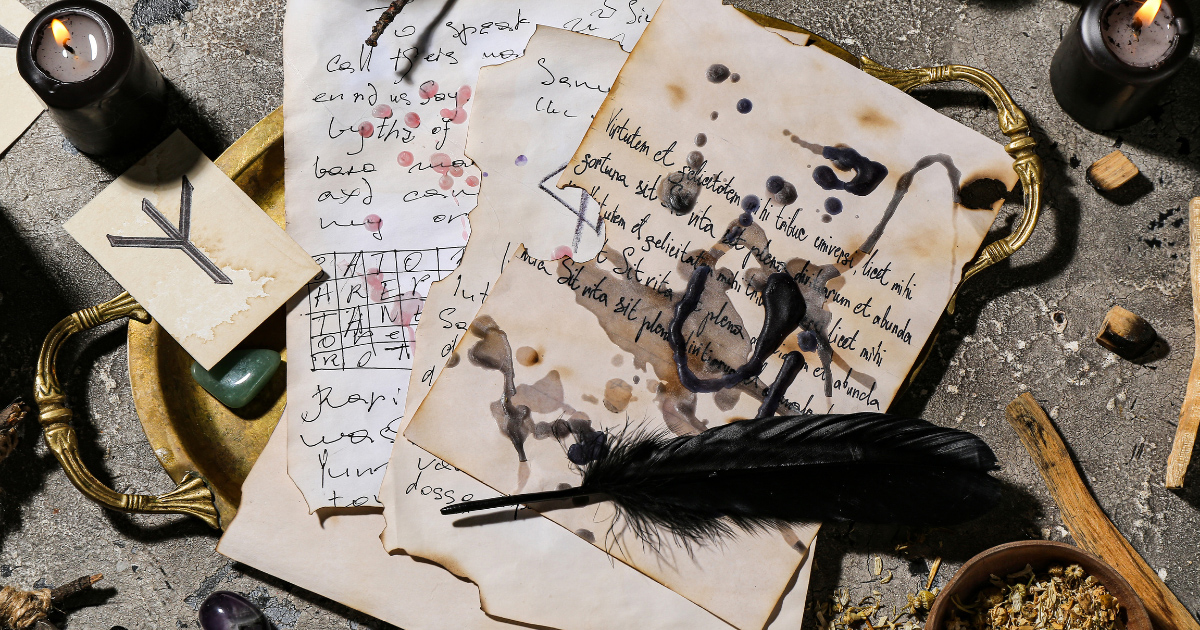
There isn’t one official spellbook that says “this is magic and that isn’t.” Different cultures, traditions, and fantasy worlds all slice it differently. But if you’re curious, here are some of the man types people talk about – from ancient practice to modern witchcraft to fantasy worldbuilding.
Magic by Source or Practice
- Natural / Elemental Magic – Rooted in the earth, sky, and cycles of nature. Think calling on fire, water, air, or earth, or working with herbs and lunar phases.
- Divine / Spiritual Magic – Power believed to flow from gods, goddesses, or other higher beings. Prayer and ritual often overlap here.
- Arcane / Theoretical Magic – The “studious” kind. Tied to abstract systems, formulas, and symbols. Very D&D wizard-core.
- Invocative Magic – Calling upon spirits or ancestors to help or guide.
- Sympathetic Magic – The classic “voodoo doll” idea: like affects like. Use an object connected to a person or place to influence it.
- Ceremonial Magic – Highly structured, ritual-heavy, with robes, tools, and exact steps.
Magic by Effect or Domain
- Necromancy – Working with death, the dead, and the mysteries of the afterlife.
- Alchemy – Transformation of materials (or yourself). Potions, elixirs, gold-making dreams.
- Divination – Peeking beyond the veil with tarot, astrology, runes, scrying, etc.
- Illusion – Creating appearances or sensations that aren’t really there.
- Enchantment – Imbuing objects with magical properties. Think charms or amulets.
- Conjuration – Summoning beings, spirits, or objects.
- Biomancy – Altering or influencing living things (plants, animals, humans).
- Transformation – Shapeshifting, glamours, or changing one thing into another.
- Teleportation – Skipping the travel time and poof, you’re there.
- Abjuration – Protective magic, like circles, wards, or shields.
Magic by System or Vibe
- Folk Magic – Rooted in family, culture, and community. Passed down like recipes.
- Chaos Magic – Rule-breaking, experimental, and intuitive. No tradition required.
- Everyday Magic – Subtle, accessible, and woven into daily rituals (coffee spells, affirmations, candle intentions).
- Hard Magic Systems – Think Brandon Sanderson novels (at Amazon): rules, limits, and logic.
- Soft Magic Systems – Mystery and wonder. No clear rules, just vibes (looking at you, Tolkien).
Why Do Some Witches Spell It Magik, Magick, or Even Magyck?
So, you’ve probably seen the word “magic” spelled a few different ways, and maybe you’ve wondered why witches toss in extra Ks and Ys like it’s part of the spell. I know I did. The truth is, it’s not just for aesthetic vibes (though let’s be honest, sometimes it totally is). There’s actually a little history, a little rebellion, and a whole lot of intention behind it.
To Separate it from Stage Magic
Let’s start with the basics. When most people hear “magic,” they think of rabbits in hats and Las Vegas illusions. That’s not the kind of magic we’re talking about here. The version with the k, “magick”, was popularized by occultist Aleister Crowley to distinguish spiritual or metaphysical magic from sleight-of-hand tricks. The k was a way to mark it as something deeper and more ancient, rooted in ritual and transformation.
So, think of it like this:
- Magic = Harry Houdini (all smoke and mirrors)
- Magick = Harry Potter (intention, ritual, transformation, reclaiming power)
And if you’re not into the k, no worries – the spelling isn’t the point. What matters is that you get to define what magic means to you.
To Personalize Their Practice
Some witches like to switch up the spelling to reflect their own path. You might see magik, majik, magyck, or some other dreamy variation. It’s often a creative choice, but it can also be a way to show alignment with a specific tradition, culture, or aesthetic. Maybe someone’s reclaiming ancestral magic, or maybe they just feel more seen when the word feels uniquely theirs.
To Signal Sacred Intention
Using an alternative spelling can serve as a reminder, to themselves and to others, that this isn’t performative. It’s real, it’s sacred, and it’s being approached with care. When someone writes magick or magik, it’s a little signal that what’s happening isn’t about putting on a show. It’s about working with energy, spirit, and self in an intentional way.
So, Which One Should You Use?
Honestly? Use what feels right. Some folks love the traditional “magick” with a K. Others stick with “magic” because it’s clear, inclusive, and accessible. There’s no witch-police handing out grammar violations. If your practice is rooted in intention and integrity, you’re doing it right.
Call it magic, magik, magick, or magyck. It’s all about the same thing: tuning into your power, setting clear intentions, and shaping your reality in ways that honor who you are and what you believe in.
How to Start Your Own Magic Practice
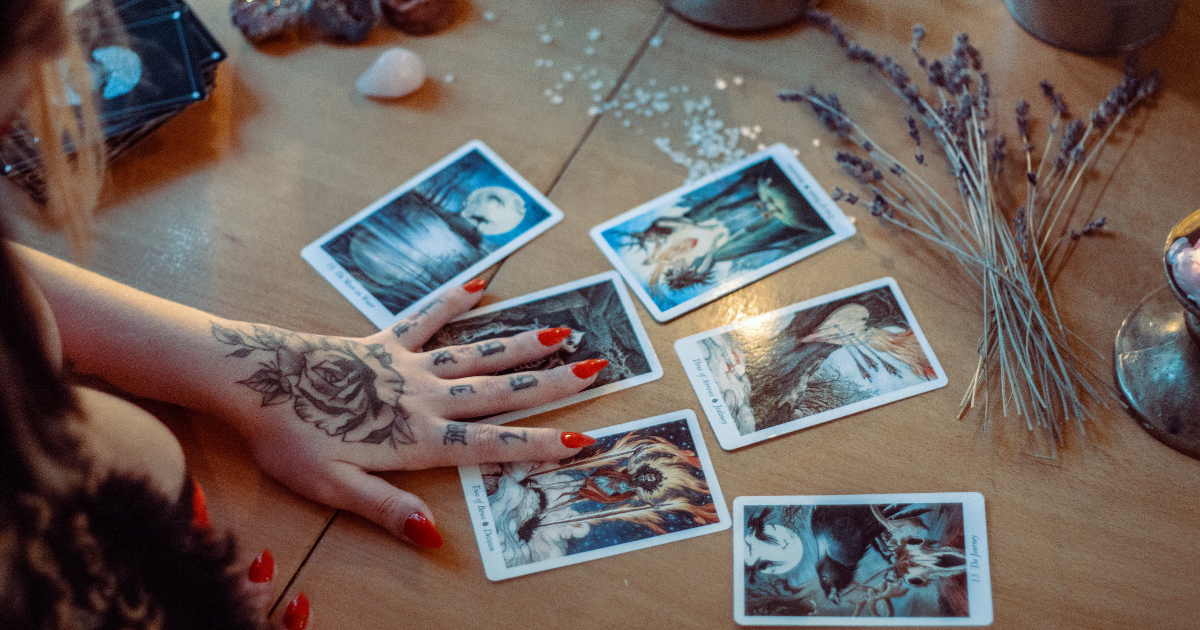
Let’s be real, starting anything new can feel intimidating. And when it comes to magic, there’s so much info out there that it’s easy to think you need a whole apothecary, twelve books, a perfect altar, and an ancestry test before you can even light a candle. You don’t.
Here’s the truth: magic starts with intention. That’s it. Everything else builds from there.
If you’re feeling called to explore a magical or spiritual path, you don’t need to dive headfirst into a witchy shopping spree. Start small, stay curious, and let your practice grow with you.
Here are a few simple ways to begin:
Keep a Journal or Start a “Book of You”
Some witches call it a Book of Shadows. Others call it a grimoire. You can call it whatever you want – just start recording what you’re learning, what you’re feeling, and what’s calling to you. This can include moon phase reflections, dream notes, spells that worked (or didn’t), intuitive hits, or even doodles and pressed leaves. It’s yours.
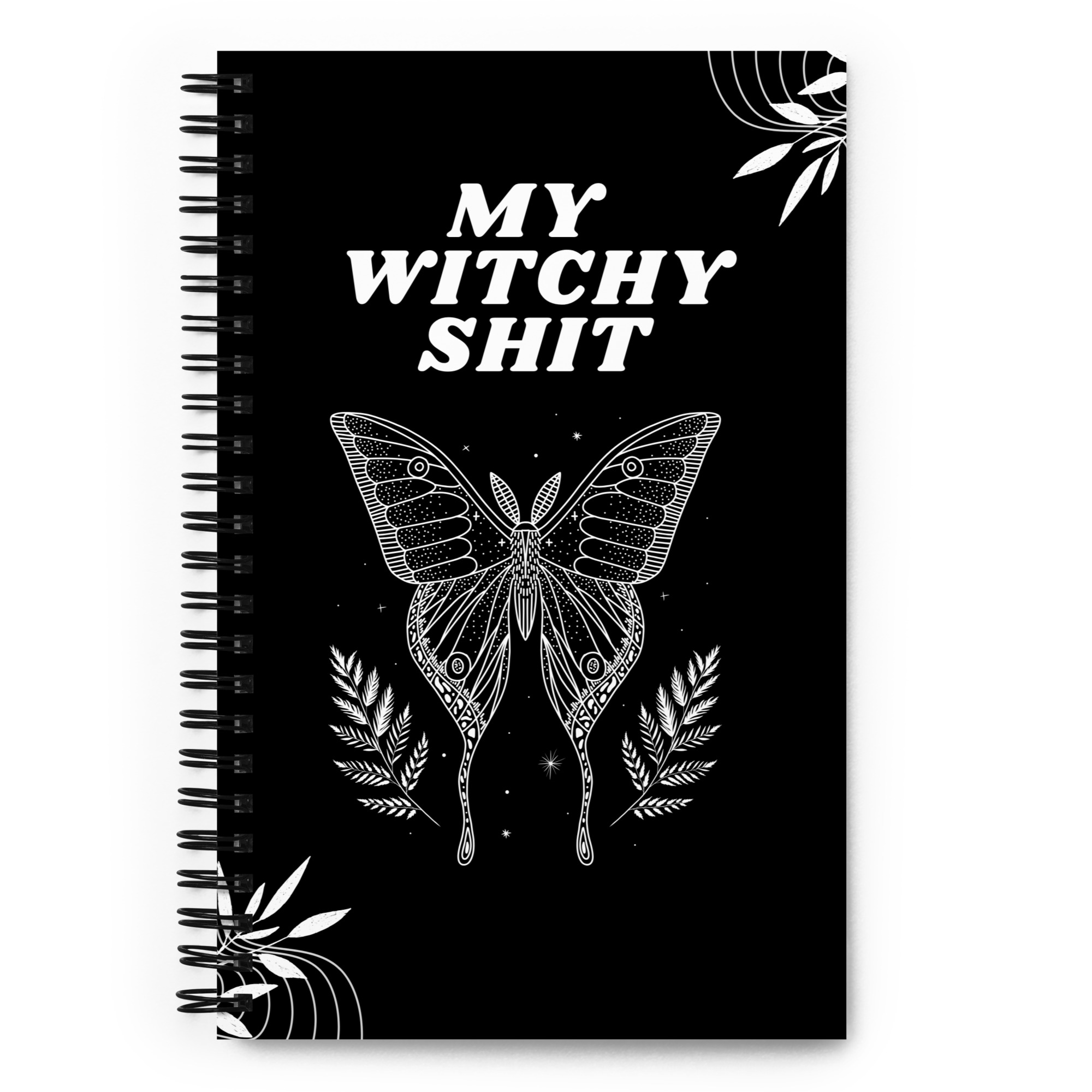
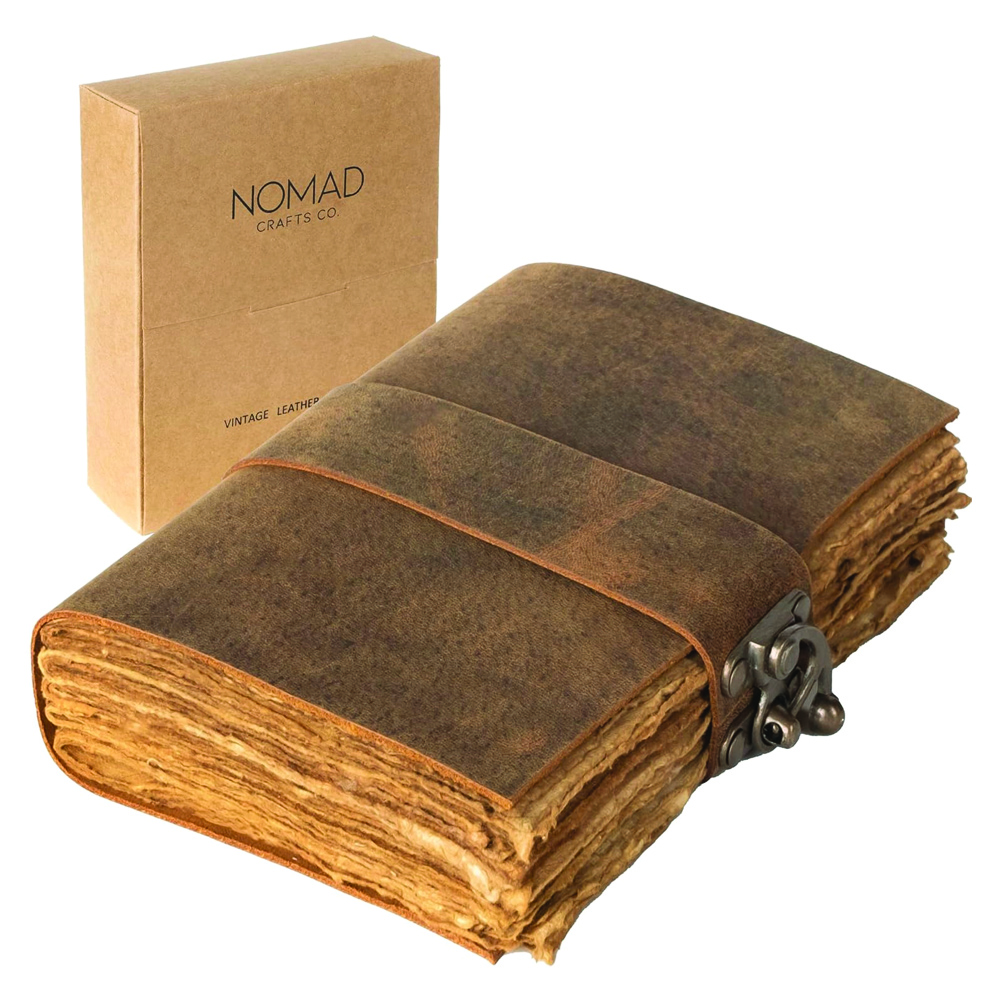
I am a sucker for a new notebook, especially when it has a dedicated purpose. I LOVE the idea of having my own grimoire, full of spells, sacred recipes, rituals and my personal archive of magic in the making. So, I bought myself this Vintage Leather Journal (at Amazon) to work in. This book is so beautiful. You can feel how well this was put together, it’s very sturdy but soft and flexible. I love the thickness and pulpy texture of the paper. Worth every penny.
Choose One or Two Tools to Explore
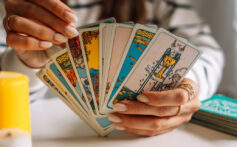
You don’t need to buy every crystal in the shop or memorize every herb in the garden. Start with a few basics that resonate with you. A clear quartz crystal. A white candle. A tarot deck you’re drawn to. Let your tools be invitations, not obligations.
Want to learn more? A Comprehensive Guide to Divination Tools
Create a Tiny Sacred Space
This doesn’t have to be a full altar or an Instagrammable setup. It can be a corner of your desk, your nightstand, or a windowsill. Add a candle, a photo, a rock from a walk that meant something to you. Let it evolve. Let it breathe.
My personal alter is on top of a small bookcase I have in my home office. I have:
- Some of my favorite crystals
- A small crystal ball
- Different colors of candles
- A handmade mushroom wooden box made by a local artist
- Dried flowers from my wedding
- Sage
- A glass jar and lid containing salt
- Insense and a beautiful wooden holder
- A mini music box
- Herbs
- Essential oils
I have just been slowly adding to my alter and witchy related tools as I learn and try new things. Even though I don’t use it every day, just seeing it in my space makes me happy. I love it so much!
Want to dive deeper? Check out: Creating Your Own Altar with Purpose
Learn With Curiosity, Not Pressure
You don’t need to know everything. You don’t even need to know exactly what you believe. Read books, follow witches you respect, listen to podcasts, watch the moon. Let yourself absorb what feels right and leave the rest.
Trust Your Body and Your Intuition
You don’t have to explain why something feels powerful to you. If your gut lights up when you hear about lunar magic or kitchen spells, that’s reason enough to lean in. Your magic will be strongest when it’s aligned with who you are.
Do I Have to Call Myself a Witch?
Short answer: no.
Longer answer: You can, if it feels right. But you don’t have to.
The word “witch” holds a lot – history, power, stigma, reclamation. For some people, it’s a name that feels like home. For others, it might feel too heavy, too political, too loaded, or just not quite them. That’s okay.
Magic doesn’t require a title. You don’t need to sign a cosmic contract or pass a test to be spiritual, intuitive, or energy-aware. You can call yourself a witch, a mystic, a seeker, a spiritual person, or nothing at all. Your practice is valid either way.
Labels can be helpful… but they don’t have to define you
If you do feel called to a label, here are a few you might see out there:
- Witch – Someone who works with energy, ritual, or intention. Can be secular or spiritual, solo or in community. Not all witches follow the same traditions.
- Healer – Someone focused on transformation, wholeness, and support – for themselves or others.
- Mystic – Someone who seeks connection with the divine, the unseen, or the inner self through direct experience.
- Bruja/Brujx, Rootworker, Shaman, etc. – These terms often come with cultural, ancestral, or traditional lineages. Use with respect and do your research before claiming a path that may not be yours.
You’re allowed to evolve
You don’t have to have it all figured out. Maybe you’ll call yourself a witch someday. Maybe you won’t. Maybe your path will change names five times and still be exactly what you need.
What matters most is that your practice feels honest, meaningful, and yours.
Want to learn more? Read my previous post: What is a Witch?
Easy Magic You Can Start Right Now

You don’t need a full moon or a five-step ritual to start practicing magic. You just need a clear intention and a willingness to listen to yourself. The truth is, some of the most powerful magic is the simplest, the kind that fits into your everyday life and actually feels like you.
Here are a few ways to dip your toes in without overthinking it:
1. A Candle + An Intention
Light a candle and focus on a single word or phrase you want to bring into your life – like peace, clarity, or protection. Say it out loud. Sit with it for a moment. Let the flame carry it.
That’s a spell. No fancy ingredients needed.
2. The Mirror Magic Pep Talk
Look in the mirror. Take a breath. Say something kind to yourself. “I am enough.” “I trust myself.” “I call back my power.” Speak it like you mean it, even if it feels awkward at first.
This is a beautiful form of self-love magic and a great way to shift your energy fast.
3. Salt and Sound for Cleansing
Clear the vibe in your space by sprinkling salt at your doorstep or clapping in the corners of a room. You can also ring a bell, play music, or open a window. It doesn’t need to be perfect, it just needs to feel like release.
4. Journaling as Spellwork
Write down what you want to release. Burn it. Tear it. Bury it. Then, write what you want to call in and keep it somewhere special. Words are magic. When you put them on paper with intention, things start to shift.
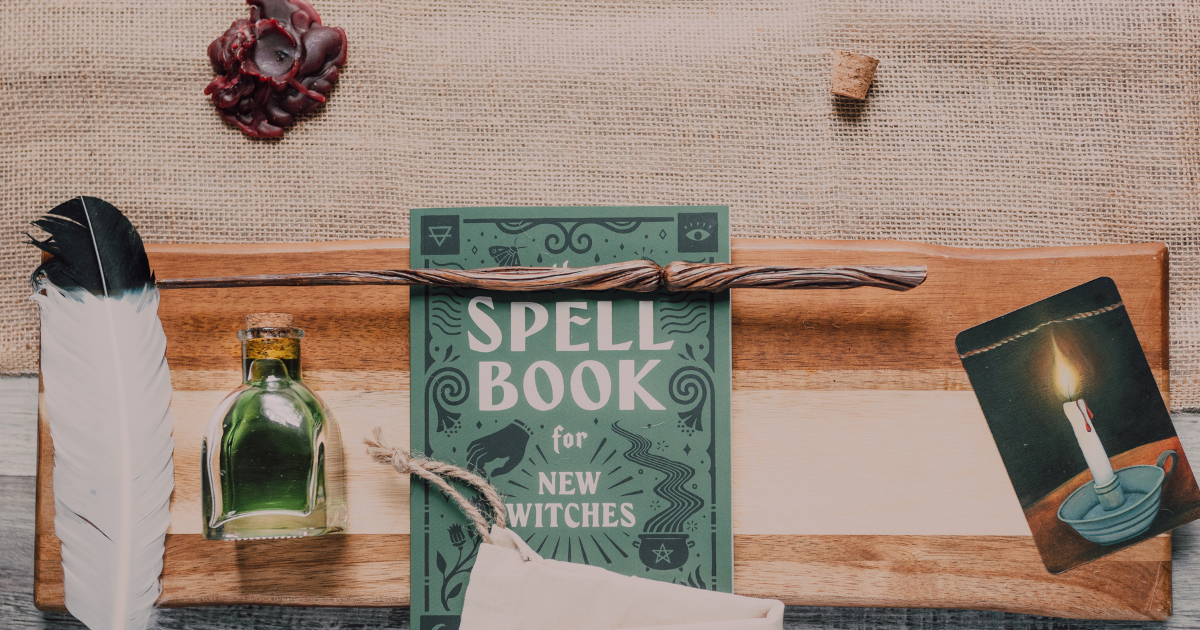 I also like this book, The Spell Book for New Witches: Essential Spells to Change Your Life (Amazon), which you can pick up on Amazon or listen to as an audiobook. It has 130 different spells you can try, like a Rose Attraction Potion, a Friendship Repair Knot Spell, or Healing Full Moon Water.
5. Moon Phase Rituals
The moon is a gorgeous timekeeper for your intentions. New moon? Set goals or plant seeds. Full moon? Release what no longer serves. Just looking up at the sky and saying a quiet “thank you” can be enough to connect.
You don’t need rituals that take hours. You just need a moment of presence, a thread of intention, and a willingness to believe in your own power – even just a little.
Want to learn more? Check out Rituals for the New and Full Moon
You Are the Magic
At the end of the day, magic isn’t something you buy, earn, or prove. It’s something you remember. Something you reclaim. It’s already in you – in the way you speak with intention, in the way you honor your energy, in the way you choose to live with purpose.
There’s no perfect spell, no single path, and no one right way to do this. You might fall in love with lunar rituals, pull a tarot card once a week, or just light a candle and breathe deeply before bed. It all counts. It’s all valid.
Let your practice be messy. Let it be slow. Let it be real.
You don’t need permission to begin. You already have everything you need to connect with something sacred – your own inner knowing, your body, your breath, your intention. Whether you call it witchcraft, spirituality, self-care, or just getting through the day with a little grace, your magic is yours.
Trust it. Honor it. Let it evolve.
Want to go deeper? Start by asking yourself: What does magic mean to me?
Share your thoughts, light a candle, or just carry that question with you for a while. You’re already doing the work.
Remember, YOU are the magic, boo.
Love ya!
Jenny
–
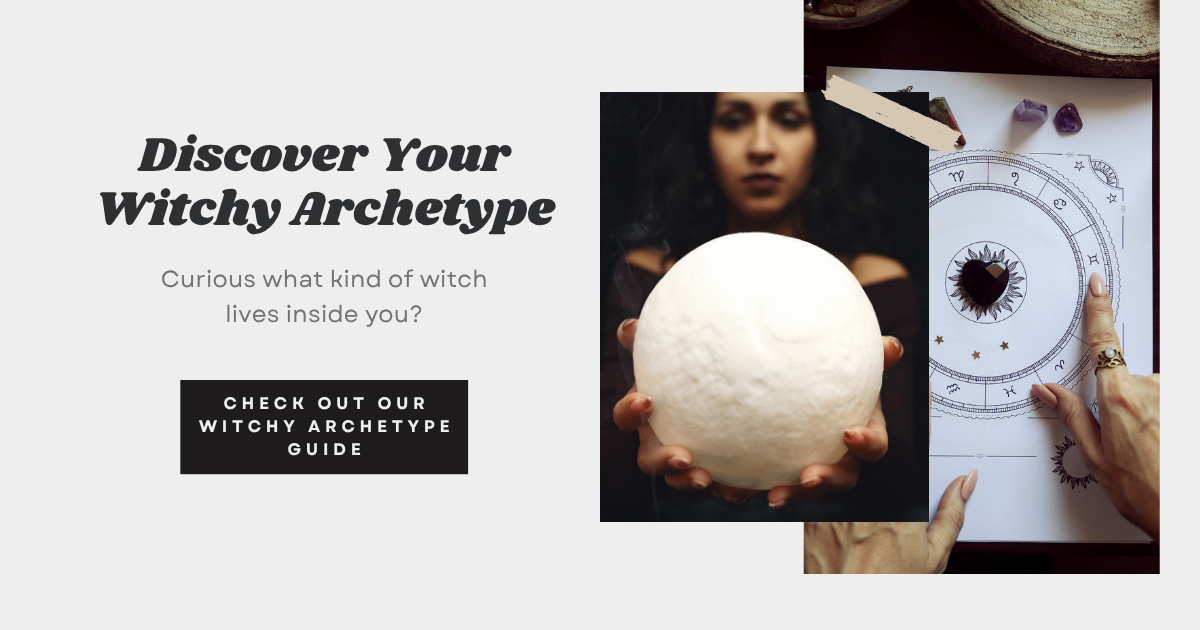
Curious what kind of witch lives inside you?