What Even Is an Art Journal? Let’s Talk About Creative Journaling Styles
What Even Is an Art Journal? Let’s Talk About Creative Journaling Styles
I am in several art-related Facebook groups, and I’ve noticed people are often confused about the differences between scrapbooking, art, and junk journaling. So, I thought I would quickly help define things so we can all use the same language. That said, there really are no rules in art… and you can call your work whatever you want!
I also want to name something upfront; many of us are actually practicing creative journaling, even if we don’t call it that. Creative journaling is an umbrella term that encompasses scrapbooking, art journaling, junk journaling, and everything in between. It prioritizes process over perfection and gives us space to write, paint, collect, layer, and play in whatever way feels right.
Scrapbooking
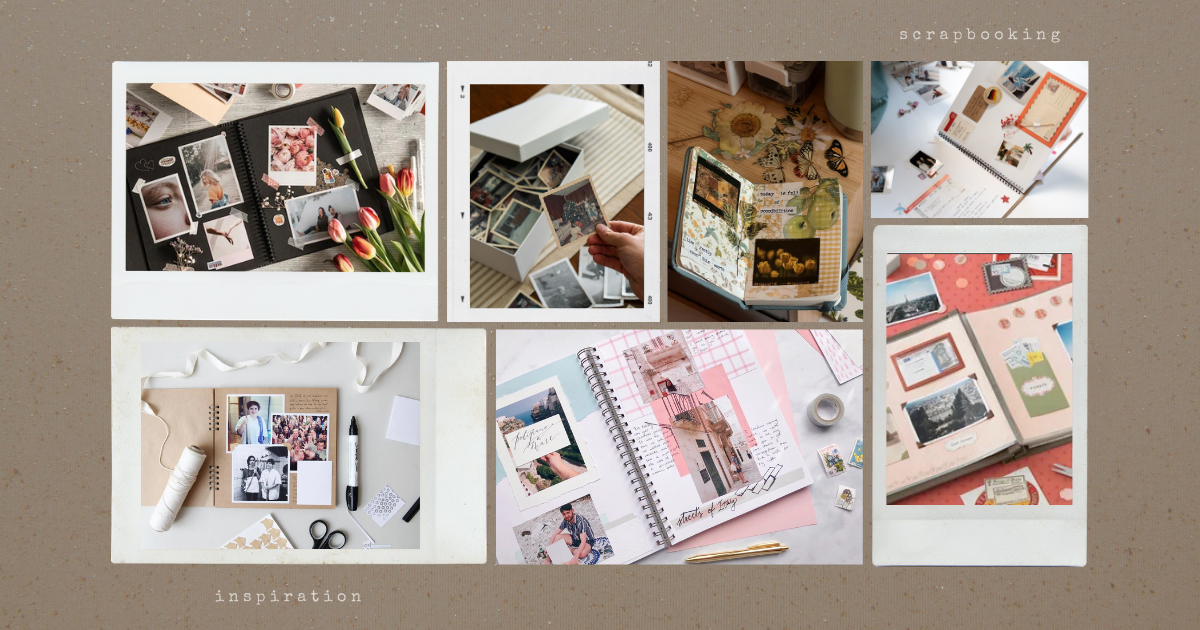
Scrapbooking is the practice of preserving memories using photos, words, and meaningful keepsakes. Traditionally, it’s more structured and story-focused, often centered around events, milestones, people, or seasons of life.
Layouts might include photographs, dates, captions, journaling, and decorative elements like patterned paper or stickers. The intention is usually documentation and storytelling, creating something you can look back on and remember not just what happened, but how it felt.
That said, modern scrapbooking has expanded a lot. Many scrapbookers blend in art techniques, mixed media, and creative journaling. At its core, though, scrapbooking is about memory-keeping with intention.
For many people, scrapbooking is one way creative journaling shows up, especially when memory keeping and personal expression overlap.
Art Journaling
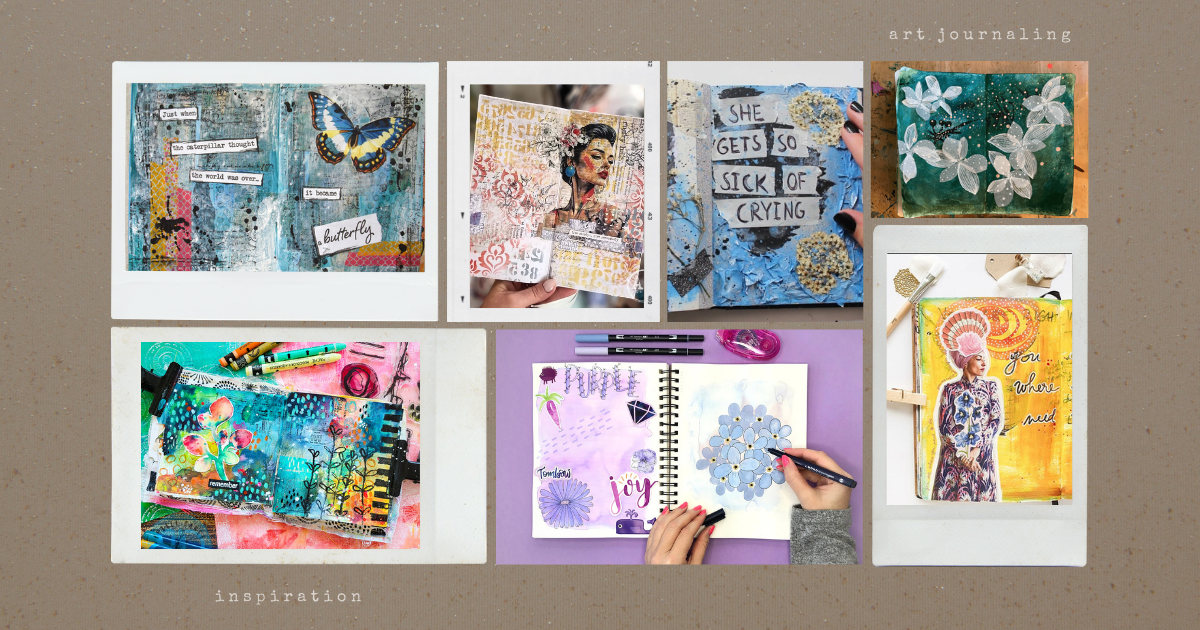
Art journaling is a form of creative self-expression that uses a journal as a space to explore thoughts, emotions, ideas, and creativity. It’s less about documenting events and more about the inner experience.
Art journals often include painting, drawing, collage, writing, mark-making, layering, and experimentation. Pages don’t need to make sense to anyone else, or even to you later. They’re allowed to be messy, emotional, abstract, or playful.
There are no rules here. Art journaling is about process over product, using creativity as a way to reflect, release, explore, or simply create for the sake of creating.
Art journaling often lives comfortably inside a creative journaling practice, where experimentation and intuition matter more than finished pages.
Junk Journaling
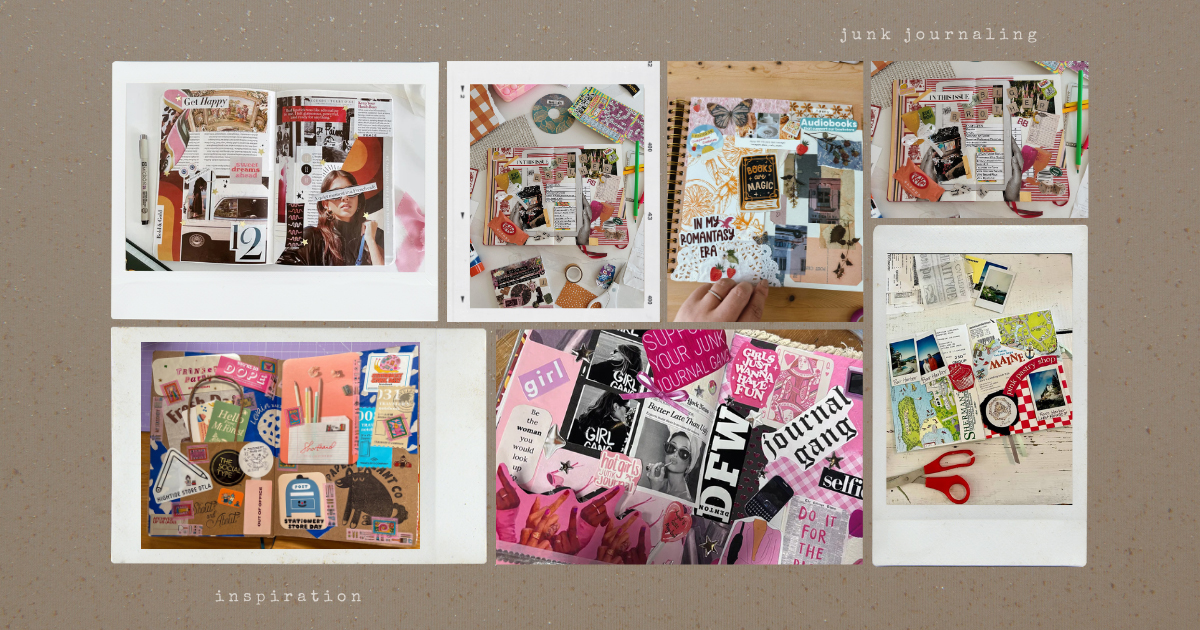
Junk journaling is the practice of creating a journal using found, recycled, or everyday materials. Think receipts, packaging, old book pages, envelopes, ticket stubs, fabric scraps, tags, and ephemera that might otherwise be thrown away.
These journals often feel layered, tactile, and a little chaotic in the best way. Junk journals can include writing, collage, pockets, fold-outs, and interactive elements. Some people use them to document life, others use them purely as a creative playground.
Despite the name, there’s nothing “junk” about it. Junk journaling is about resourcefulness, texture, and giving new life to materials while telling a story, or just enjoying the creative process.
Junk journaling is a perfect example of creative journaling in action, resourceful, tactile, and led by curiosity instead of rules.
How They Overlap (Creative Journaling Is the Common Thread)
While scrapbooking, art journaling, and junk journaling have different roots, in real life they often blend together. A scrapbook page might include painted backgrounds or expressive journaling. An art journal might hold photos or meaningful memories. A junk journal can be both deeply personal and visually artistic.
The truth is, most creative journals live somewhere in the middle. They borrow techniques, supplies, and intentions from multiple styles, depending on the day, the mood, or the materials on hand.
If you’re telling a story, expressing a feeling, experimenting with materials, or simply enjoying the act of making, you’re doing it right. The label is optional. The creativity is not.
Common Ways People Use Creative Journals
- Self-Expression & Processing – Using writing, color, and imagery to explore feelings, thoughts, or experiences.
- Memory Keeping – Documenting moments from daily life, trips, or special events using photos, writing, and collected pieces.
- Art & Experimentation – Using the journal as a place to test materials, techniques, and ideas without worrying about finished work.
- Themed Journals – Focusing a journal around one topic, such as travel, books, recipes, quotes, seasons, or a specific year.
- Planning & Reflection – Blending light planning, lists, goals, or weekly reflections with creative elements.
- Junk Journaling – Creating pages from found, recycled, or collected materials, often with a focus on texture and layering.
Other Creative Terms You Might See
These aren’t separate systems you need to learn. They’re words you’ll hear in creative journaling spaces to describe formats, materials, or ways of working.
Travel Diary
A journal used to document trips and adventures using writing, photos, sketches, maps, tickets, and small keepsakes. It can overlap with scrapbooking, art journaling, or junk journaling.
Memory Collecting
An approach to journaling focused on saving and honoring small moments, objects, and memories. These collected pieces can live in any type of creative journal.
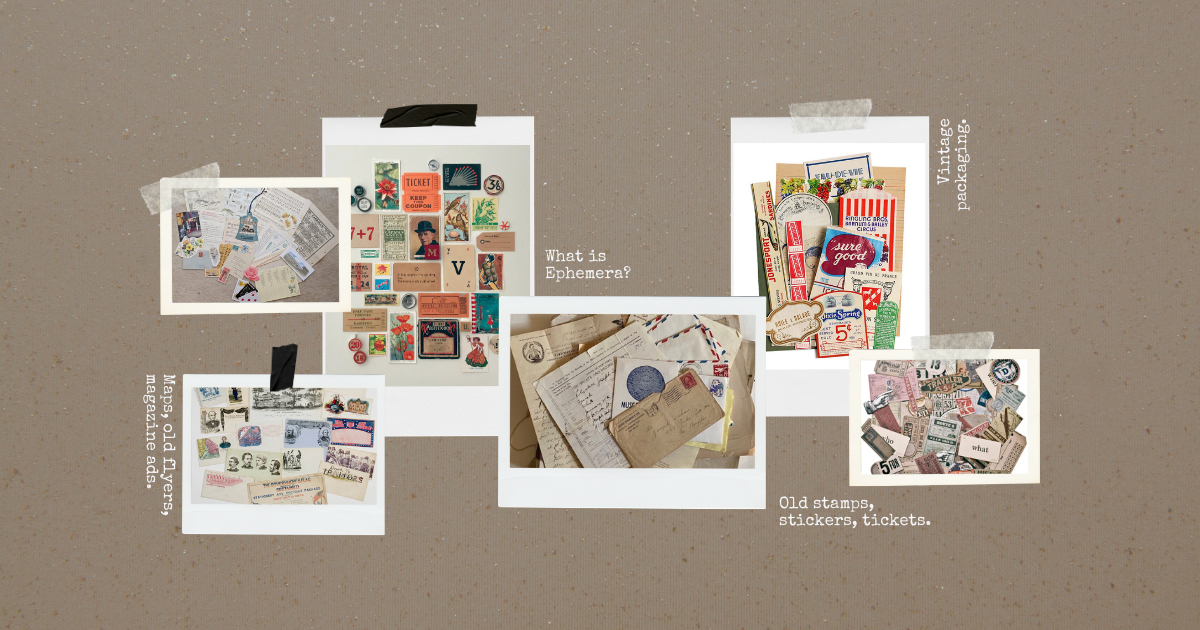
Ephemera
Paper items originally meant to be temporary, such as receipts, tickets, tags, letters, packaging, and flyers, now repurposed for creative use.
Fodder
Pre-made or collected creative materials, like painted papers, collage sheets, stamped backgrounds, or handwritten bits, saved for future projects.
Collaging
A technique that involves assembling different materials onto a surface to create a composition. Collaging appears across scrapbooks, art journals, junk journals, and mixed media work.
Mixed Media
Artwork that combines multiple materials or techniques, such as paint, ink, collage, stitching, or found objects, often all on one page.
Found Objects
Everyday or discarded items used in creative work, like fabric scraps, tags, packaging, or natural materials, adding texture and story.
Glue Book
A low-pressure journal filled mainly by gluing images, words, and found paper. It’s intuitive, relaxing, and great for creative play without overthinking.
Altered Book
An existing book transformed into art through painting, collage, cutting, or stitching. Often used as an art journal or mixed media project.
Folio
A loose or bound collection of pages or artwork, sometimes themed or curated, rather than a daily-use journal.
ATC (Artist Trading Card)
Small pieces of original art, 2.5 x 3.5 inches, created to trade with others. A fun, accessible way to experiment and connect.
Happy Mail
Creative mail exchanged between artists and journalers, often including handmade art, tags, ATCs, or collage pieces, sent purely for joy and connection.
Things You Might Collect for Your Journal
Creative journaling often starts before you even open the journal. It shows up in the noticing, the saving, and the small moments you decide are worth keeping.
Everyday Life & Experiences
- Ticket stubs
- Raffle tickets
- Lottery tickets
- Event announcements
- Handwritten lists
- Greeting cards
Paper & Printed Matter
- Magazine images
- Advertisements
- Product packaging
- Old textbooks or book pages
- Envelopes
- Postage stamps
Travel & Places
- Airline tickets
- Subway or transit maps
- Museum maps
- Maps and brochures
- Vintage postcards
Personal & Visual Memories
- Photographs
- Polaroid photos
- Clothing tags
- Notes or letters
Texture, Symbol & Play
- Ribbon
- Fabric scraps
- Tarot cards (or copies of them)
You don’t need to collect everything. If it sparks a memory, a feeling, or curiosity, it’s worth saving. If it doesn’t, let it go.
Journal Supplies You Might Use (Not a Checklist)
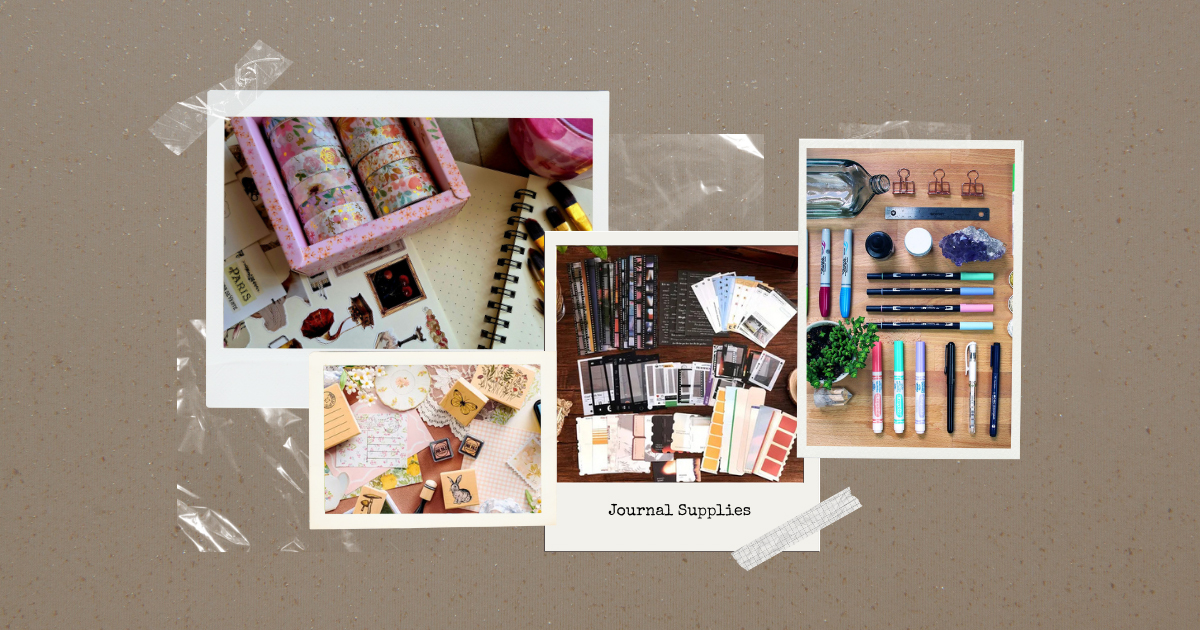
Journals & Bases
- Notebook or journal
- Sketchbooks
- Old books (for altered books or junk journals)
- Loose papers or cardstock
Adhesives
- Glue sticks
- Liquid glue
- Double-sided tape
- Washi or decorative tapes
Cutting & Punching Tools
- Scissors
- Craft knife or cutters
- Hole punch
Writing & Drawing Tools
- Pens
- Pencils
- Markers
- Colored pencils
- Gel pens
Binding & Assembly Tools
- Stapler
- Clips or binder rings
Paint & Mark-Making
- Paint (acrylic, watercolor, or whatever you have)
- Paintbrushes
- Ink pads
- Stamps
Paper & Decorative Elements
- Scrapbook paper
- Magazine pages
- Tissue paper
- Book pages
- Doiles
- Envelopes
- Stickers
Texture & Embellishments
- Ribbon
- String or twine
- Beads
- Fabric scraps
- Thread and needle
- Pins
- Paperclips
Creative journaling doesn’t require special tools, it adapts to what you already have and how you want to use it.
Please remember, you don’t need all of this. Start with what you have, let your curiosity lead, and add tools as your practice grows.
Start Creative Journaling Today!
This year, I’m choosing to call my journal an art journal, while letting it function as a creative journal in every sense. It will hold printouts, trackers, photos, stickers, memories, art challenges, scraps, words, and whatever else wants to show up.
Creative journaling, for me, is about giving myself permission to blend structure with intuition, planning with play, and reflection with experimentation. Some pages will be thoughtful and intentional, others messy and unfinished. All of it belongs!
Now, let’s go make some art!